













Rajshahi City in Crisis: Basic Infrastructure and Environmental Challenges
Dr. Engr. Md. Zakir Hossain Khan
Rajshahi city is currently suffering from a deep crisis. Basic urban infrastructure such as separate sewerage lines and a central Sewage Treatment Plant (STP) are absent, while open drains and untreated wastewater overflow onto roads, creating serious public health risks. Industries are ignoring environmental regulations, and due to the absence of Effluent Treatment Plants (ETP), water, soil, and air pollution are increasing. Rising urban temperatures, the Heat Island effect, and insufficient urban greenery are disturbing the environmental balance of the city.
The quality of water supply is still not properly controlled, and electricity wastage along with improper lighting is harming the urban ecosystem. Traffic congestion, illegal parking, roadside shops, and violation of traffic rules are making movement within the city increasingly difficult. Ponds, canals, and water bodies are being filled and encroached upon, and weak waste management is negatively impacting the environment and public health.
Without solving these problems, it will not be possible to develop Rajshahi into a sustainable and livable city. Urban planning, environmental protection, modern traffic management, good governance, and proper enforcement of laws are now the most urgent demands of the time.
The Biggest Problem of Rajshahi: Sewerage and Drainage System
The biggest weakness in Rajshahi’s urban management is its sewerage and drainage system. Separate sewerage lines and a central Sewage Treatment Plant (STP) are fundamental infrastructure for a modern city, yet these systems have not been developed in Rajshahi. In many parts of the city, toilet waste, household wastewater, and other dirty water flow directly through large open drains, creating extremely unhygienic conditions.
Even light rainfall causes this dirty water to overflow onto the streets, forcing people to walk through contaminated water. This not only causes environmental pollution but also increases the risk of diseases such as diarrhoea, typhoid, and skin diseases. Therefore, closing open drains and introducing a modern closed drainage system is now a necessity.
Industries and Environmental Law
There are many factories in the Rajshahi BSCIC industrial area, and a significant number of them do not fully comply with environmental regulations. Factories that use water in production processes produce wastewater containing various chemicals and pollutants. If this water is discharged directly into the environment without treatment, it has severe impacts on surrounding soil, water, and air.
According to the law, these factories are required to have Effluent Treatment Plants (ETP). Having an ETP is also a condition for obtaining environmental clearance. However, in reality, many factories discharge wastewater into drains or canals without any treatment. As a result, nearby canals, wetlands, and agricultural land are becoming polluted, increasing environmental risks over time.
Urban Temperature and Heat Island Problem
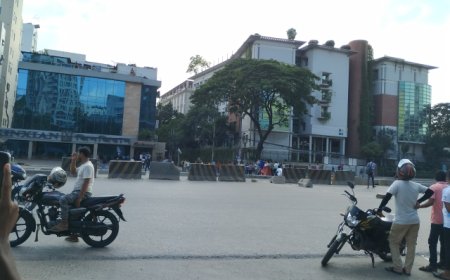
Rajshahi is now considered one of the hottest cities in Bangladesh. Due to urbanization, concrete buildings, paved roads, reduced trees, and excessive glass buildings are creating the Heat Island effect in the city. As a result, the city temperature remains much higher than surrounding rural areas, and during heatwaves the situation becomes even more severe.
To address this problem, large-scale tree plantation programs must be included in urban planning. Making greenery mandatory for new buildings, discouraging excessive glass buildings, and promoting rooftop gardens could help control the city temperature to some extent.
Water Quality and Supply
Rajshahi has historically been known for its water management. However, even today, it has not been possible to ensure 24-hour safe and clean water supply. In many areas water pressure is low, and in some places there are complaints about water quality. In a modern city, regular testing of water quality is extremely important. Without regular testing, the risk of waterborne diseases increases and public health becomes threatened.
Electricity Waste and Improper Lighting
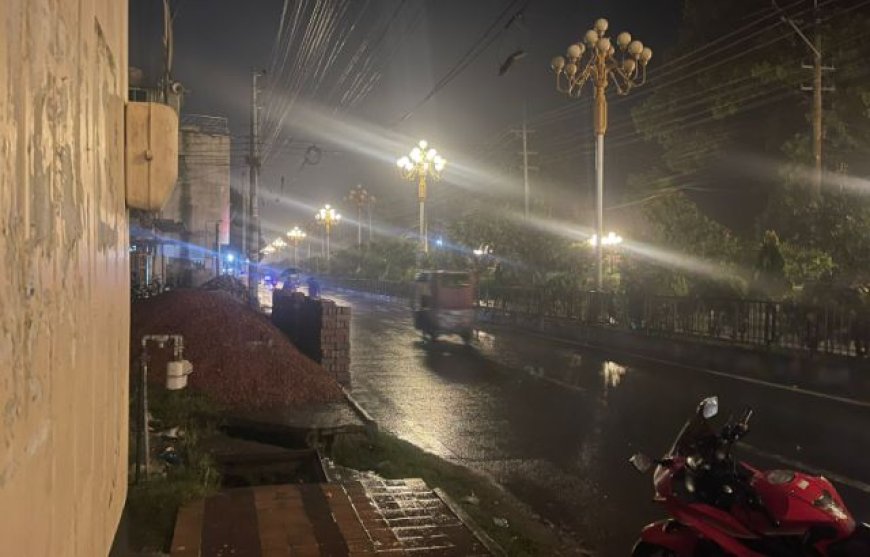
Some roads in the city have upward-facing garden lights installed mainly for beautification, but in reality their practical benefit is very low. These lights do not provide adequate road illumination; instead, they spread light into the sky and waste electricity. Excessive lighting also negatively affects insects, birds, and the nocturnal ecosystem. Therefore, installing proper road lights instead of these lights would be more reasonable.
Construction Work and Air Pollution
Environmental management plans are very important during large government construction projects in the city. Dust control, covering construction materials, and regular water spraying are mandatory during construction work. However, in reality, sand, stones, and construction materials are often left uncovered beside roads. This not only causes traffic congestion but also significantly increases air pollution. If this continues for a long time, the city’s air quality will deteriorate further.
Traffic Management
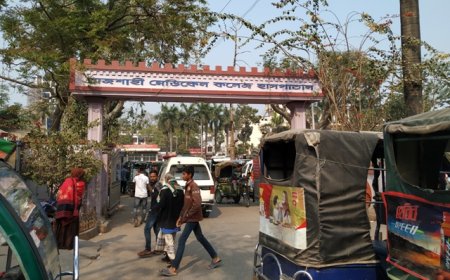
Although traffic-congestion in Rajshahi is not as severe as in Dhaka, traffic jams occur regularly in certain areas. One of the main reasons is auto-rickshaws and other vehicles picking up passengers randomly by stopping anywhere. This problem is especially common in areas such as Railgate, Railway Station, Shaheb Bazar, Medical Gate, and Laxmipur intersection. Establishing designated stands and strict traffic management in these areas could significantly reduce traffic congestion.
The CNG stand in the Railgate area is also a major cause of traffic congestion. Similarly, although there were plans to relocate the bus terminal elsewhere, this has not yet been implemented, which reflects weaknesses in urban management.
Illegal Encroachment, Filling of Ponds, and Destruction of Water Bodies
Once, Rajshahi city had numerous ponds and water bodies that played an important role in water retention, environment, and biodiversity. But over time, many of these ponds and water bodies have been filled for building construction. Filling water bodies increases waterlogging, raises temperature, and damages environmental balance. Despite existing laws, the continued encroachment and filling of water bodies reflects administrative weakness.
Waste Management: The Most Vulnerable Sector
Solid waste management in Rajshahi city is still very weak. Much of the city’s waste is dumped in open areas, creating bad odors, air pollution, water pollution, and health risks. In a modern city, sanitary landfill, composting, and recycling systems should be implemented instead of open dumping. Without planning to convert waste into resources, this problem will become more severe in the future.
What Should Be Done to Build a Sustainable Rajshahi
To develop Rajshahi into a sustainable and livable city, long-term planning is essential. A sustainable master plan should be developed to ensure proper housing, transportation, waste management, greenery, water body conservation, riverbank protection, waterlogging control, industrial pollution control, and environmentally friendly technologies. In addition, bicycle lanes, walkable footpaths, parks, playgrounds, and green corridors should be developed so that the city becomes not just a place to live, but a livable city.
Finally, the question remains: Is environmental management and planned urban development in Rajshahi really being implemented properly? Or do we only consider large infrastructure projects as development, while basic urban issues such as drainage, waste management, water, and environment remain neglected? If these fundamental problems are not solved, development will occur, but the city will not remain livable.
(Author is Assistant Professor, Department of Civil Engineering, Bangladesh Army University of Engineering and Technology, Natore)
What's Your Reaction?