














Nourish trains 350 fish farmers in Mymensingh
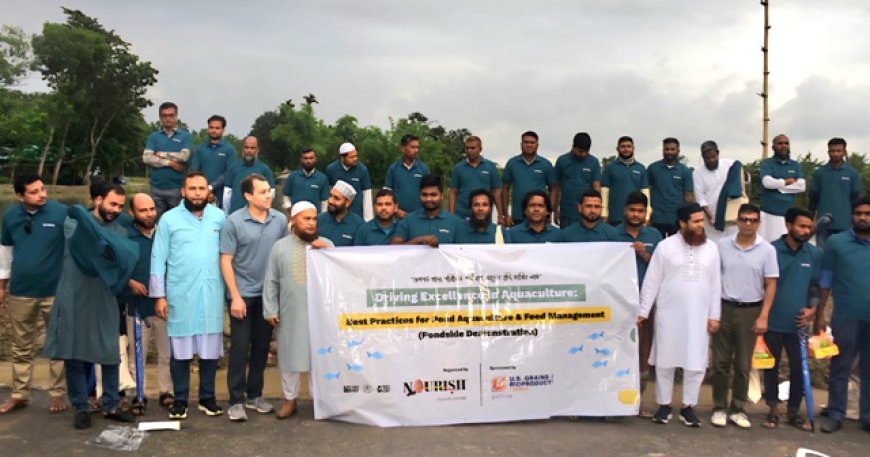
Mymensingh, May 02 (BAU Correspondent/OurVoice): A total of 350 fish farmers, feed dealers and retailers received a training on ‘Best Practices for Pond Aquaculture and Feed organised by Nourish Poultry and Hatchery Limited in Mymensingh and Netrokona.
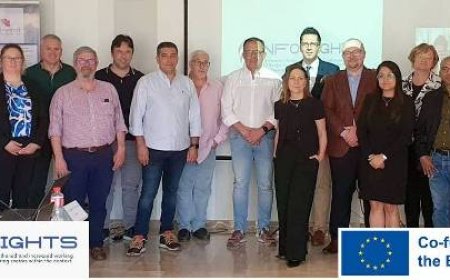
Known for its long-standing reputation in fish farming, greater Mymensingh remains one of the country’s leading fish-producing regions. Experts say production could increase severalfold through scientific aquaculture and proper management. Under the initiative, daylong workshops were held in four Upazila of Mymensingh and one in Netrokona, training 70 participants each day.
The programme was organised under the theme, “Driving Excellence in aquaculture,” with support from the ‘US Grains and Bioproducts Council’. The first workshop took place in Kendua upazila of Netrokona, followed by programmes in Fulpur, Muktagacha, Sadar (Shambhuganj) and Fulbaria in Mymensingh.
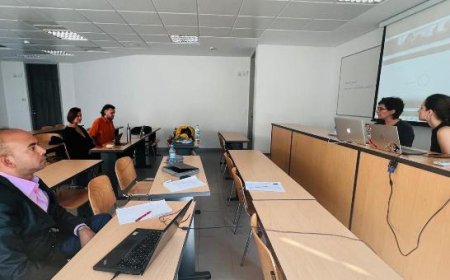
Each day’s training was divided into two sessions such as theoretical discussions on scientific fish farming methods and hands-on practical demonstrations. International aquaculture expert Dr Mohiuddin Amirul Kabir Chowdhury conducted the sessions, focusing on pond soil and water management, feed application, disease prevention, and scientific testing techniques.
To enhance participation, trainees were divided into five sub,-groups. Each were tasked with preparing and presenting posters based on different aspects of aquaculture management. A quiz session was also held at the end of the training to evaluate participants.
Mark Sevier, representative of US Grains and BioProducts Council (USGBC), said, 'There is no alternative to modern technology and scientific management to harness the growing potential of Bangladesh’s aquaculture sector. Through such training, farmers are gaining practical knowledge on proper nutrition management and efficient production techniques, which will contribute to long-term productivity growth.’ Samiul Alim, Assistant Vice-President (sales and marketing) of Nourish, said the company aims to ensure safe production through quality feed.
“Our feeds are antibiotic- and chemical-free, and certified by international standards such as ISO and HACCP,” he said. General Manager S M A Haque emphasised that profitability in fish farming largely depends on farmers’ management practices.
“Excessive stocking can lead to losses. Proper monitoring of oxygen and ammonia levels, along with balanced feeding, is essential,” he noted. A participating fish farmer from Phulpur, Md. Abdul Karim, said, ‘Through this training, we have gained practical knowledge on pond management, proper feed application, and disease control. This will help reduce our production costs and increase fish yield.’
Local feed dealer Md. Sohel Rana said, ‘This training has been very beneficial for us. We can now provide more accurate guidance to farmers, which will positively influence the use of quality feed and increase production.’ Alongside theoretical discussions, practical field demonstrations were arranged during the training, making it highly effective for the participants.
Detailed guidance was provided on cost-effective pond management, balanced feed usage, and ensuring improved production. As a result, participants have gained practical knowledge that can be directly applied to their farm management.
Internationally renowned expert Dr. Mohiuddin Amirul Kabir Chowdhury was present as the trainer. He has extensive experience in aquaculture production management and nutrition, with more than 143 scientific publications in various international journals and platforms.
Nourish Feed is a well-known livestock and aquafeed manufacturer in Bangladesh. In addition to producing quality feed, the company regularly provides training, technical support, and advisory services to farmers, playing a significant role in the development of the country’s livestock and aquaculture sectors.
The US Grains and BioProducts Council (USGBC) is an international organization that works to promote the use of grains and bioproducts worldwide and supports sustainable production systems in the livestock and aquaculture sectors.
In developing countries like Bangladesh, the organization plays an important role by providing technical assistance, training, and knowledge exchange. There are plans to expand such training programs to other potential regions of the country in the future.
What's Your Reaction?